Arizona homeowners depend on their garage doors every day. Whether you’re leaving for work, returning from a trip, or simply accessing storage, a reliable garage door remote makes life easier. However, many homeowners in Phoenix, Scottsdale, Peoria, Sun City, and surrounding communities notice a frustrating problem during the summer months: their garage door remote suddenly becomes unreliable or stops working altogether.
If you’ve ever pressed your garage door remote repeatedly on a hot afternoon only to find that nothing happens, you’re not alone. Extreme temperatures can affect several components of your garage door system, including the remote, opener, sensors, and electronic circuitry.
Understanding why this happens can help you prevent unexpected failures and maintain reliable garage door operation throughout Arizona’s hottest months.
How Arizona Heat Affects Garage Door Systems
Summer temperatures in Arizona frequently exceed 100°F. While your garage door system is designed to withstand normal weather conditions, prolonged exposure to extreme heat can place additional stress on electronic and mechanical components.
Garage door openers, remote controls, batteries, sensors, and receiver units all rely on electrical signals to function properly. When temperatures rise, these components may experience performance issues that affect communication between the remote and the opener.
Many homeowners assume their remote is broken when, in reality, heat-related interference is often the root cause.
Common Reasons Your Garage Door Remote Stops Working in Hot Weather
1. Weak or Heat-Damaged Batteries
One of the most common causes of remote failure during summer is battery performance.
High temperatures can reduce battery efficiency and shorten battery life. Even if your remote worked perfectly during cooler months, excessive heat may cause the battery voltage to drop below the level needed to transmit a strong signal.
Signs of battery-related issues include:
- Reduced operating range
- Inconsistent response
- Needing multiple button presses
- Remote working only when very close to the garage
Replacing the battery is often the first troubleshooting step homeowners should take.
2. Overheated Garage Door Opener Electronics
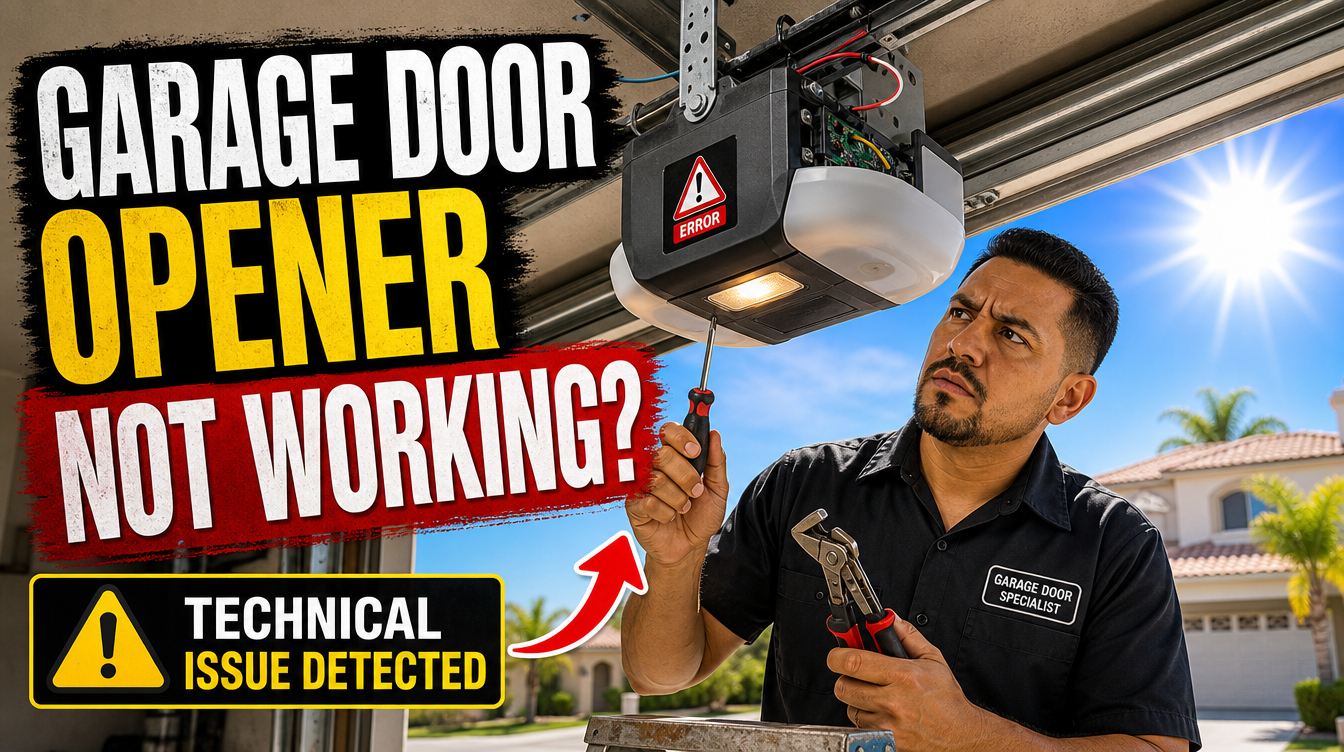
Your garage door opener contains electronic components that generate and process signals from your remote.
When the garage temperature climbs significantly, especially in non-insulated garages, internal electronics can become stressed. Most modern openers have built-in protection mechanisms that may temporarily reduce performance or shut down certain functions until temperatures return to normal.
Symptoms may include:
- Delayed response
- Intermittent operation
- Complete lack of response during peak heat
- Normal operation later in the evening
3. Signal Interference During Extreme Temperatures
Garage door remotes communicate with the opener using radio frequencies.
In some situations, heat-related expansion of nearby electronic equipment or environmental conditions can contribute to signal interference. While less common than battery issues, interference can weaken communication between the remote and receiver.
Potential sources include:
- Wireless devices
- Security systems
- LED lighting systems
- Nearby electronic equipment
- Smart home devices
When interference occurs, the remote may appear defective even though it is functioning correctly.
4. Aging Remote Control Components
Like any electronic device, garage door remotes wear out over time.
Years of exposure to Arizona sunlight and high temperatures can degrade internal circuitry. Plastic housings may warp slightly, circuit boards may weaken, and button contacts may deteriorate.
Older remotes are generally more susceptible to heat-related failures than newer models.
If your remote is more than several years old, replacement may be more cost-effective than repeated troubleshooting.
5. Sensor and Safety System Issues
Although safety sensors are not directly controlled by the remote, problems with the sensor system can make it seem like the remote has stopped working.
Heat, dust, and sunlight can affect sensor alignment and performance. If the opener detects a safety issue, it may refuse to close the door even when the remote sends a valid command.
Check for:
- Dirty sensor lenses
- Misaligned sensors
- Obstructions near the door
- Flashing sensor lights
A quick inspection can often identify these problems.
6. Expansion of Garage Door Components
Metal expands when exposed to heat.
Garage door tracks, springs, rollers, and other components can experience slight expansion during extremely hot weather. While this expansion is typically minimal, it can sometimes create additional resistance that causes the opener to work harder.
If the opener detects excessive strain, it may stop operation as a protective measure.
Signs include:
- Slower door movement
- Jerky operation
- Unusual noises
- Incomplete opening or closing cycles
7. Receiver Problems Inside the Opener
The receiver inside your garage door opener is responsible for receiving signals from the remote.
Extreme temperatures may affect receiver performance, especially in older systems. If the receiver struggles to process signals, your remote may appear unresponsive despite functioning normally.
A professional inspection can determine whether the issue lies with the remote, receiver, or opener itself.
What Homeowners Can Do Before Calling for Service
Before scheduling a repair appointment, consider these basic troubleshooting steps:
Replace the Remote Battery
Install a fresh battery even if the current one seems functional.
Test the Wall Control
If the wall-mounted control works but the remote does not, the issue may be isolated to the remote or receiver.
Move Closer to the Garage Door
Reduced range often indicates battery weakness or signal interference.
Inspect the Safety Sensors
Ensure both sensors are aligned and free from dirt or debris.
Check for Obstructions
Make sure nothing is blocking the garage door’s path.
Restart the Opener
Disconnect power briefly and restore it to reset the system.
These simple steps can resolve many common issues without professional assistance.
Preventing Heat-Related Garage Door Problems
Regular maintenance is one of the best ways to reduce summer garage door issues.
Schedule Annual Inspections
Routine inspections help identify worn components before they fail.
Keep Components Lubricated
Proper lubrication reduces strain on moving parts and improves overall performance.
Replace Aging Batteries Proactively
Don’t wait for complete failure before replacing remote batteries.
Consider Garage Insulation
Insulated garage doors and improved ventilation can help reduce extreme indoor temperatures.
Upgrade Older Equipment
Modern garage door openers often include enhanced electronics designed to perform more reliably in challenging weather conditions.
When Professional Service Is Recommended
While some issues can be solved through simple troubleshooting, others require professional diagnosis.
Contact a garage door specialist if you experience:
- Frequent remote failures
- Opener overheating
- Intermittent operation
- Unusual noises
- Door balance issues
- Sensor malfunctions
- Remote programming problems
A trained technician can evaluate the entire system and identify the underlying cause rather than simply addressing symptoms.
Why Arizona Homeowners Should Take Remote Problems Seriously
Many homeowners delay repairs because the problem appears minor.
However, remote issues can sometimes indicate larger concerns involving the opener, electrical components, or door mechanics. Addressing these problems early may help prevent more costly repairs later.
A garage door is one of the largest moving systems in your home. Reliable operation is important for convenience, security, and safety.
When your garage door system begins showing signs of heat-related stress, prompt attention can help extend equipment life and improve performance.
Frequently Asked Questions
Can extreme heat permanently damage a garage door remote?
In some cases, prolonged exposure to high temperatures can damage internal electronic components, particularly in older remotes.
Why does my remote work at night but not during the day?
This often points to heat-related performance issues affecting the battery, receiver, or opener electronics.
How often should remote batteries be replaced?
Most batteries last one to three years, but Arizona’s extreme temperatures can shorten battery life.
Can garage door openers overheat?
Yes. High garage temperatures can affect opener electronics and occasionally trigger protective shutdown mechanisms.
Is upgrading my opener worth considering?
If your opener is older and experiencing repeated issues, upgrading to a newer model may improve reliability and performance.
Trust High Grade Garage Doors for Reliable Garage Door Service
If your garage door remote stops working during Arizona’s hottest days, professional diagnosis can help identify the exact cause and restore dependable operation.
High Grade Garage Doors provides garage door repair, garage door opener service, remote troubleshooting, maintenance, and new garage door installations for homeowners throughout the Phoenix area.
Whether you’re dealing with intermittent remote failures, opener problems, sensor issues, or complete system malfunctions, our experienced team can help keep your garage door operating safely and smoothly.
High Grade Garage Doors
📞 (602) 837-1888
Serving homeowners throughout Phoenix, Scottsdale, Peoria, Sun City, and surrounding Arizona