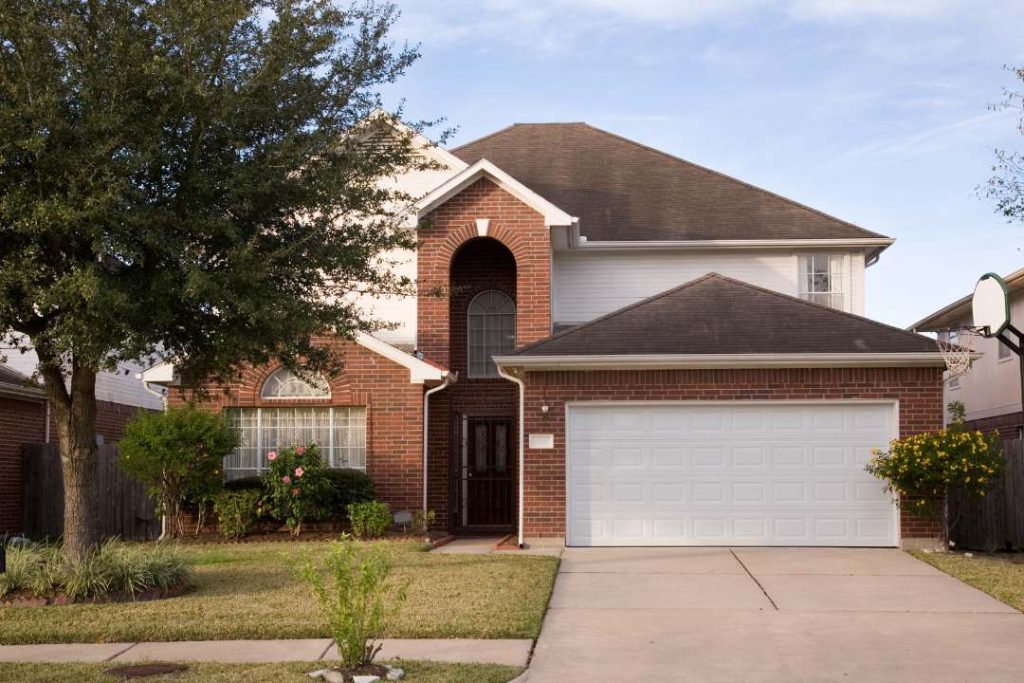

Garage doors are one of the biggest moving systems in a home, and for families with children, they deserve serious attention. A garage door that works perfectly for adults can still create risks for curious kids who like to press buttons, run through openings, or play near moving parts. In Phoenix homes, where garages are often used daily because of heat, storage needs, and busy routines, creating safer habits around the garage door can prevent avoidable accidents.
This guide explains practical child safety tips, common hazards, and simple steps parents can take right away. Whether your garage is attached to the home or used as a main entry point, these tips can help you protect your family and keep your garage door operating safely.
Why Garage Door Safety Matters
Children are naturally curious, and a garage door can look like a toy to them. The opener button, wall switch, remote controls, and moving door sections can all attract attention. A moment of unsupervised play is enough to create a dangerous situation.
Garage doors are heavy, powerful, and designed to move with force. If a child stands under a closing door, grabs a panel, or reaches around the tracks, serious injury can happen. Even a door that appears to be moving slowly can become dangerous because of the weight involved. Safety starts with understanding that garage doors should always be treated as mechanical equipment, not a play area.
Teach Children the Rules
The simplest safety step is also one of the most effective: teach children clear garage door rules early. Kids need to know that the garage door opener is not a toy, the wall button is not for play, and the door should never be run under while it is moving. Repetition helps children remember these rules, especially younger kids who may need reminders many times.
Make the rules easy to understand and consistent. For example, tell children to stay clear of the door when it opens or closes, never touch springs or cables, and never stand between a closing door and the floor. If children learn that garage doors are off-limits for play, the chances of an accident drop significantly.
Keep Controls Out of Reach
Garage door remotes should be stored where children cannot reach them. A remote left in a car seat, on a low shelf, or in a backpack can tempt kids to press buttons when adults are not watching. Wall-mounted control buttons should also be placed high enough that young children cannot easily reach them.
If your home uses a smart opener or app-based system, make sure children do not have access to the control login or phone app. This is especially important in busy households where multiple adults share access. A simple habit like putting remotes on a hook or in a drawer can remove a major source of risk.
Check Safety Features Regularly
Modern garage doors are designed with important safety features, but those features only help if they are working properly. One of the most important is the auto-reverse system, which should cause the door to reopen if it touches an object in its path. Another is the photo-eye sensor, which should stop the door from closing if something breaks the beam.
Parents should test these features from time to time. Place a small object in the door’s path and confirm that the door reverses. Also check whether the sensors are aligned and free from dust, dirt, or spider webs. If anything seems off, stop using the door until it is inspected and repaired.
Watch for Pinch Points
Garage doors have moving hinges, rollers, tracks, and sections that can pinch fingers or hands. Children often reach toward moving parts because they are curious about how things work. This is why it helps to keep them at a distance whenever the door is in motion.
Explain that the edges of the door, joints between panels, and track areas are not safe to touch. If your garage has older hardware or visible wear, the risk can be even higher. Pinch point awareness is especially important for younger children, who may not recognize how quickly a door section can move.
Secure the Emergency Release
The emergency release cord is an important safety feature for adults, but it can also be a hazard if children can reach it. A child who pulls the cord may disengage the opener, causing the door to behave unpredictably. That can create a serious safety issue if someone is nearby.
Make sure the emergency release is used only by adults and only when necessary. If the cord hangs too low or is easy for a child to grab, ask a garage door professional whether it can be adjusted safely. This small detail can prevent confusion and reduce risk in a home with young children.
Supervise Garage Play
Many families use the garage for storage, sports gear, bicycles, and home projects. Because of that, it is easy for children to drift into the garage while adults are distracted. If your kids spend time there for any reason, they should always be supervised around the door.
It also helps to keep the garage floor clear of clutter. Toys, scooters, tools, and boxes near the door can create tripping hazards or tempt children to run around while the door is moving. A clean garage is not just more organized; it is safer for everyone in the home.
Improve Visibility and Lighting
Phoenix homes often rely on garages heavily during early mornings and evenings, when lighting matters more. A dim garage makes it harder to see whether a child is near the door or whether something is blocking the sensors. Good lighting helps adults react faster and notice potential problems sooner.
Use bright overhead lights and replace bulbs quickly when they burn out. Motion-activated lighting can also help when someone enters the garage with groceries, school bags, or sports equipment. Better visibility makes it easier to keep children safe and avoid accidental contact with the door.
Maintain the Door Properly
A garage door that is out of balance, noisy, or slow to respond should never be ignored. Mechanical wear can increase the risk of sudden failure, and children are less likely to recognize the warning signs. Routine maintenance helps catch problems before they become emergencies.
Look for frayed cables, loose hardware, shaky movement, or unusual sounds. If the door jerks, sticks, or reverses unexpectedly, it needs attention. Professional inspection is especially important for families because safety depends on the door opening and closing smoothly every time.