Arizona summers are brutal, and if you have ever stepped into your garage in July, you already know how intense the heat can get. For many homeowners, the garage becomes one of the hottest areas of the property, making it uncomfortable to use and adding extra strain on the home’s cooling system. What many people do not realize is that the garage door itself is often a major reason for that heat buildup.
A garage door takes up a large portion of the front of your garage. When it is not insulated, it allows outside heat to pour in and trap itself inside. That heat can spread into nearby rooms, raise indoor temperatures, and force your air conditioner to work harder than necessary. In Arizona, where summer temperatures can stay extreme for months, garage door insulation is not just a nice upgrade. It can make a real difference in comfort, efficiency, and long-term value.
Why Garage Door Insulation Matters in Arizona
Arizona homes face unique heat challenges. The strong sun, dry climate, and long summer season create conditions where garages can become dangerously hot. This is especially true for attached garages, where excess heat can move through shared walls and affect the rest of the house.
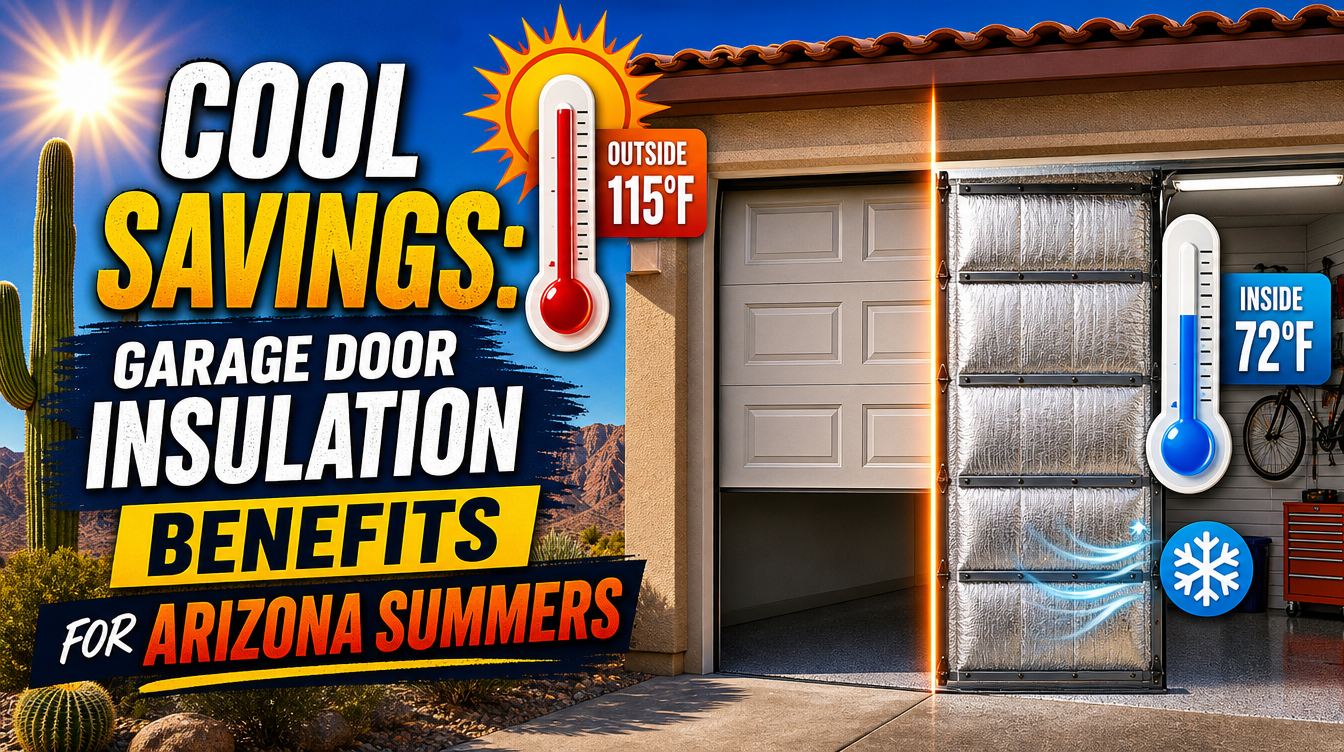
Insulation helps slow the transfer of heat. Instead of letting hot air and radiant heat move directly through the garage door, insulated materials create a barrier that helps keep interior temperatures more stable. This does not turn your garage into an air-conditioned room by itself, but it can greatly reduce the heat buildup that makes garages miserable during the summer.
For homeowners who store tools, equipment, household items, or even use the garage as a workspace, this upgrade can be especially valuable.
How an Uninsulated Garage Door Affects Your Home
Many people think of the garage as separate from the house, but in reality, it can have a direct impact on indoor comfort. If your garage is attached, the heat that builds up inside can affect adjoining walls, ceilings, and rooms.
This can lead to several common problems:
-
Higher temperatures in rooms next to or above the garage.
-
Increased air conditioning use during the summer.
-
Hotter indoor areas that are harder to keep comfortable.
-
More wear on your HVAC system over time.
-
Heat damage to items stored in the garage.
If you have ever noticed that a bedroom above the garage gets hotter than the rest of the house, poor garage insulation may be part of the problem.
Main Benefits of Garage Door Insulation
Insulating your garage door offers more than just a cooler garage. It can improve several parts of your home environment at once.
Better Temperature Control
The most immediate benefit is reduced heat inside the garage. Insulation helps block some of the outdoor heat from entering and slows how quickly the inside space heats up.
This can make a noticeable difference during peak afternoon hours, especially when the garage door faces direct sunlight.
Improved Energy Efficiency
When less heat enters the garage, less heat transfers into your home. That means your air conditioning system may not have to work as hard to keep indoor temperatures steady.
Over time, this can help reduce cooling costs, especially during Arizona’s longest and hottest months.
More Comfortable Living Spaces
Attached garages often share walls with bedrooms, laundry rooms, mudrooms, or family spaces. By reducing garage heat, insulation can help these nearby rooms feel more comfortable and consistent.
This is important for families who struggle with hot spots in the home during summer.
Protection for Storage
Garages often hold valuable or sensitive items, including:
-
Power tools
-
Paint and chemicals
-
Holiday decorations
-
Sports equipment
-
Car batteries
-
Electronics
Extreme heat can shorten the life of many stored items. A better-insulated garage helps reduce those temperature extremes.
Quieter Door Operation
Insulated garage doors are usually more solid than non-insulated ones. That added density can reduce rattling, vibration, and outside noise.
This can be a nice bonus if you have bedrooms near the garage or use the garage early in the morning or late at night.
Stronger Door Construction
Many insulated garage doors are built with multiple layers, which makes them sturdier than basic single-layer doors. This added strength can improve durability and help the door hold up better over time.
Signs Your Garage Door May Need Insulation
If you are unsure whether this upgrade is worth it, there are a few signs to watch for.
You may benefit from garage door insulation if:
-
Your garage feels much hotter than the outside air.
-
Rooms near the garage are difficult to cool.
-
Your current garage door is thin metal with no backing.
-
You notice your garage stays hot well into the evening.
-
You use the garage for storage, hobbies, or work.
-
Your summer energy bills feel higher than expected.
In Arizona, even a well-built home can struggle if the garage door is allowing excessive heat inside every day.
Insulated Door vs. Insulation Add-On
Homeowners usually have two options when improving garage door insulation: adding insulation to an existing door or replacing the door with a new insulated model.
Adding Insulation to an Existing Garage Door
This option can work well if your current garage door is still in good shape. Insulation kits or custom-installed materials can improve performance without requiring a full replacement.
This may be a good choice if you want a more budget-friendly upgrade and your door is structurally sound.
Replacing with a New Insulated Garage Door
A new insulated garage door often delivers the best results. These doors are built with insulation already inside the panels, creating stronger thermal performance and a cleaner finished look.
A replacement may be the better option if:
-
Your current door is older or damaged.
-
The door is noisy or inefficient.
-
You want better curb appeal along with improved comfort.
-
You are looking for a longer-term solution.
What Type of Insulation Works Best?
Not all garage door insulation is the same. The right choice depends on the age of the door, your budget, and how much heat protection you want.
Common insulation materials include:
-
Polystyrene, a rigid foam material often used in garage door panels.
-
Polyurethane, a dense foam that offers stronger insulating performance.
-
Reflective insulation, which can help reduce radiant heat in some applications.
For Arizona’s extreme summer heat, higher-performing insulation usually delivers better long-term results. Just as important as the material itself is the quality of the installation. Gaps, poor sealing, or improper fit can reduce effectiveness.
Extra Ways to Keep a Garage Cooler
Garage door insulation works best when combined with other smart improvements. If you want better summer performance, consider these additional steps:
-
Replace worn weather seals around the garage door.
-
Seal gaps where hot air can enter.
-
Add insulation to garage walls or ceiling if needed.
-
Improve ventilation inside the garage.
-
Avoid leaving the garage door open during the hottest part of the day.
-
Consider lighter exterior colors that reflect more heat.
These upgrades can work together to make your garage more usable and help reduce the extreme temperature swings common in Arizona.
Is Garage Door Insulation Worth It?
For many Arizona homeowners, the answer is yes. While insulation does involve an upfront cost, the value can show up in several ways over time. You may enjoy better comfort, lower energy use, quieter operation, and improved protection for the things you keep in your garage.
It can also make a practical difference if your garage is attached to your home and contributes to uneven indoor temperatures. In a climate as hot as Arizona, upgrades that reduce heat transfer often pay off in comfort alone.
Why Professional Installation Makes a Difference
Garage door systems need to stay balanced, safe, and fully functional. That is why professional installation is often the smarter route. An experienced garage door specialist can recommend the right insulation solution based on your door type, garage layout, and summer heat exposure.
Professional service also helps ensure:
-
Proper fit and finish
-
Safe door operation
-
Better long-term performance
-
Correct sealing around edges and panels
A poorly installed insulation system may not deliver the results you expect and could affect the way the door opens and closes.
Choose High Grade Garage Doors for Expert Help
If your garage turns into a heat trap every summer, you do not have to keep putting up with it. Garage door insulation can help create a more comfortable space, reduce heat transfer into your home, and improve the overall performance of your garage.
High Grade Garage Doors helps Arizona homeowners choose practical, lasting solutions for hot-weather garage problems. Whether you need insulation added to an existing door or want to explore a new insulated garage door, professional guidance can help you make the right decision for your home.
Call High Grade Garage Doors today at (602) 837-1888 to discuss your options and schedule service.