Garage door security is one of the most overlooked parts of home protection, yet it protects one of the largest entry points into your property. In a place like Phoenix, where heat, dust, and daily use can wear down garage hardware fast, improving security is not just about stopping break-ins—it is also about keeping your door reliable, quiet, and safe.
Why Garage Security Matters
Many homeowners assume a closed garage door is automatically secure, but older doors, weak locks, worn rollers, and outdated openers can create easy access points. Criminals often look for simple opportunities, and a garage that does not fully latch or has a visible emergency release can become a target. A secure garage also protects stored tools, bicycles, packages, and often the door that leads directly into the home.
In Phoenix, security concerns can be made worse by intense sun exposure that dries out seals, weakens components, and shortens the life of key parts. If the system is already aging, a small problem can turn into a vulnerability. That is why garage security should be treated as part of whole-home protection, not just garage maintenance.
Strengthen The Door Itself
The first step is making sure the door structure is solid. A thin, dented, or damaged door can be forced more easily than a reinforced one, especially if panels are bent or hardware is loose. Look for signs of wear such as cracks in panels, warped sections, loose hinges, or rusted fasteners.
If your garage door is older, upgrading to a stronger model can make a major difference. Steel doors with reinforced panels are typically more secure than lightweight, worn-out alternatives. Adding heavy-duty hinges, tamper-resistant fasteners, and updated track hardware also helps reduce weak points that intruders may exploit.
Upgrade The Locking System
A garage door should have a dependable locking system, not just an opener. Manual slide locks can provide extra protection when the door is closed and the opener is not in use, especially during travel or long periods away from home. If the lock is stiff, damaged, or rarely used, it may no longer be doing its job.
Consider deadbolt-style garage door locks or integrated locking systems designed for overhead doors. The key is to make sure the lock is easy for you to use but hard for anyone else to bypass. A strong lock works best when combined with a secure opener and good maintenance.
Secure The Opener
Garage door openers can be a weak point if they are outdated. Older remotes may use less secure technology, making them easier to compromise. Modern openers usually include rolling-code technology, which changes the access code each time the remote is used, making signal theft much harder.
You should also check where your opener is stored. Leaving a remote in an unlocked car is a common mistake that gives thieves easy access. Wall-mounted smart openers, keypad access, and phone-based controls can improve convenience while reducing risk. If your opener does not have modern security features, replacing it is often a smart investment.
Protect The Emergency Release
The emergency release handle is important for safety, but it can also be a security concern if exposed and easy to reach from outside. Intruders sometimes attempt to manipulate it to disconnect the door from the opener. A secure garage setup should reduce the chances of that happening without blocking legitimate emergency use.
A professional can inspect whether the release system is properly positioned and whether any protective measures are needed. In some homes, a simple shield or adjustment can reduce the risk of tampering. This is a small detail, but it matters.
Add Smart Access Control
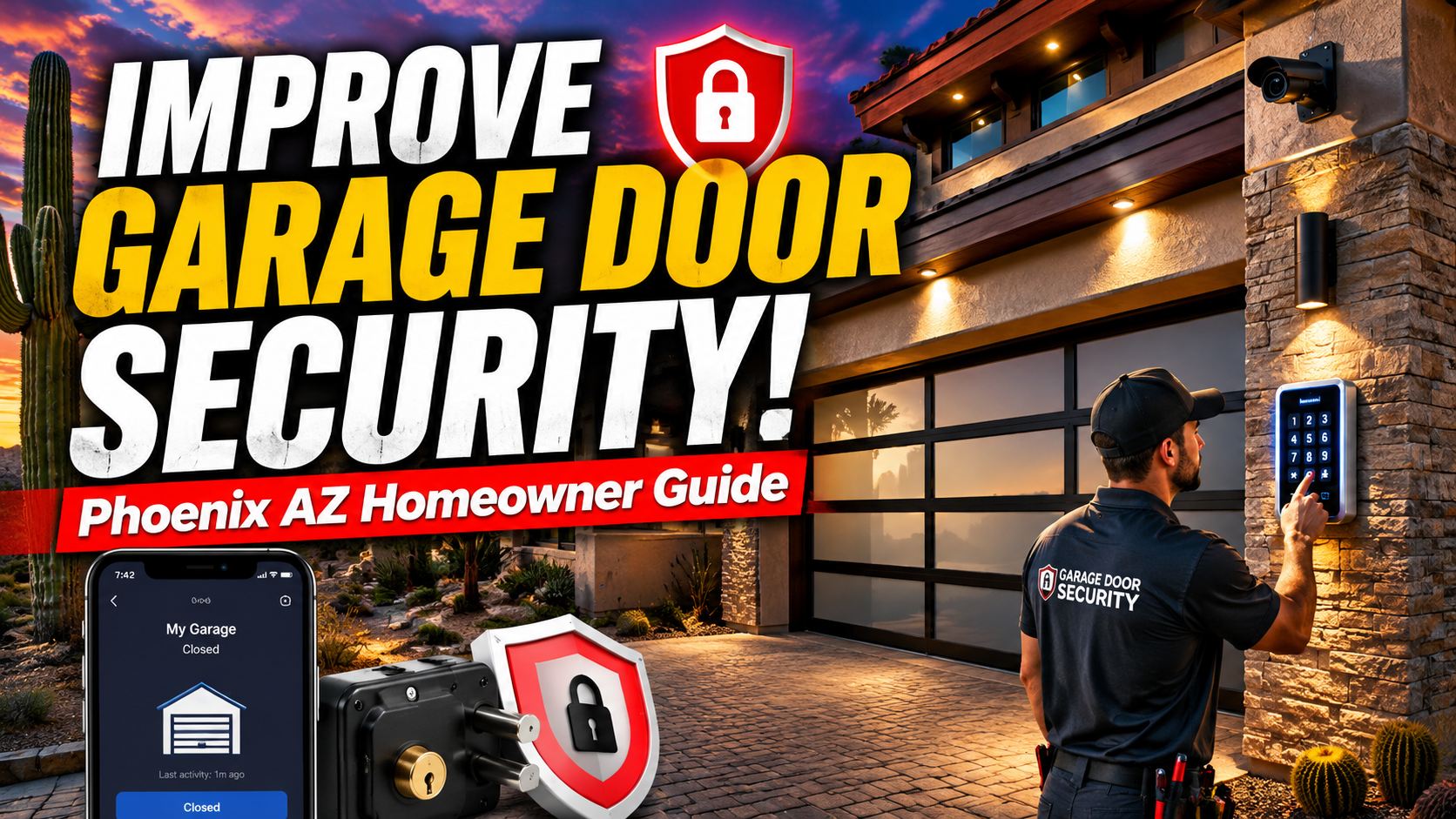
Smart technology can improve garage security in practical ways. With a smart opener, you can receive alerts when the door opens or closes, check its status remotely, and close it from your phone if you forget. That kind of visibility is useful for busy households and for anyone who travels often.
Keypad entry can also be safer than leaving spare remotes around. If you use a keypad, change the code regularly and avoid obvious combinations. For families, smart access makes it easier to manage who can enter without sharing physical keys or remotes.
Improve Lighting And Visibility
Good lighting is a simple but effective deterrent. A well-lit garage area makes it harder for someone to approach unnoticed and easier for neighbors or cameras to see suspicious activity. Motion-activated lights are especially useful because they turn on when movement is detected.
Trim back landscaping that hides the garage from the street or side yard. Tall shrubs, stacked items, and dark corners can give intruders cover. The more visible the area is, the less attractive it becomes as a target.
Use Cameras And Monitoring
Security cameras add both deterrence and evidence. Even a visible camera can discourage tampering, and recorded footage may help identify suspicious activity. Focus cameras on the driveway, garage door, side access points, and the entry door that leads into the home.
If you choose a camera system, make sure it covers the garage from multiple angles. A single camera is helpful, but a broader setup gives better protection. Pairing cameras with motion alerts gives you faster awareness if something unusual happens.
Don’t Ignore Maintenance
Many security problems start as maintenance issues. A door that sticks, shakes, or fails to close fully may not only be inconvenient—it may also be unsafe. Broken springs, worn rollers, loose cables, and misaligned tracks can keep the door from sealing tightly.
Regular inspections help catch these issues early. Test the auto-reverse function, listen for unusual noises, and watch whether the door closes evenly. If the door is hard to lift or does not stay balanced, stop using it until it is checked by a professional. A door that functions properly is much harder to force open.
Habits That Reduce Risk
Good security is not only about hardware. Daily habits matter too. Keep the garage door closed whenever it is not in use, even if you are home. Many break-ins happen because the door was left open for just a few minutes.
Avoid leaving garage remotes in visible places, and do not store spare keys near the garage door. Make sure the side entry door into the garage is locked and reinforced, since that door is often easier to overlook. Small habits like these can close off easy opportunities for theft.
When To Call A Professional
If your garage door has been damaged, is hard to lock, or is using outdated equipment, it is time for a professional inspection. Security improvements often work best when they are tailored to the condition of the door, opener, and surrounding entry points. A trained technician can identify weak spots that most homeowners miss.
For homeowners in Phoenix, local expertise matters because the climate affects door performance over time. Heat, dust, and constant use can cause parts to wear faster than expected. Getting the system checked before a failure happens can save money and improve peace of mind.
Protect Your Home
A secure garage starts with strong hardware, modern access control, consistent maintenance, and better daily habits. When these pieces work together, your garage becomes far less vulnerable and much more reliable. That means better protection for your home, your belongings, and your family.
For expert help improving garage door security in Phoenix, AZ, contact High Grade Garage Doors at 602-837-1888.