Phoenix summers push temperatures beyond 110°F, turning your garage door into a frontline battleground against intense heat. Homeowners often overlook this exposure, leading to costly repairs or full replacements over time.
Heat’s Hidden Toll on Materials
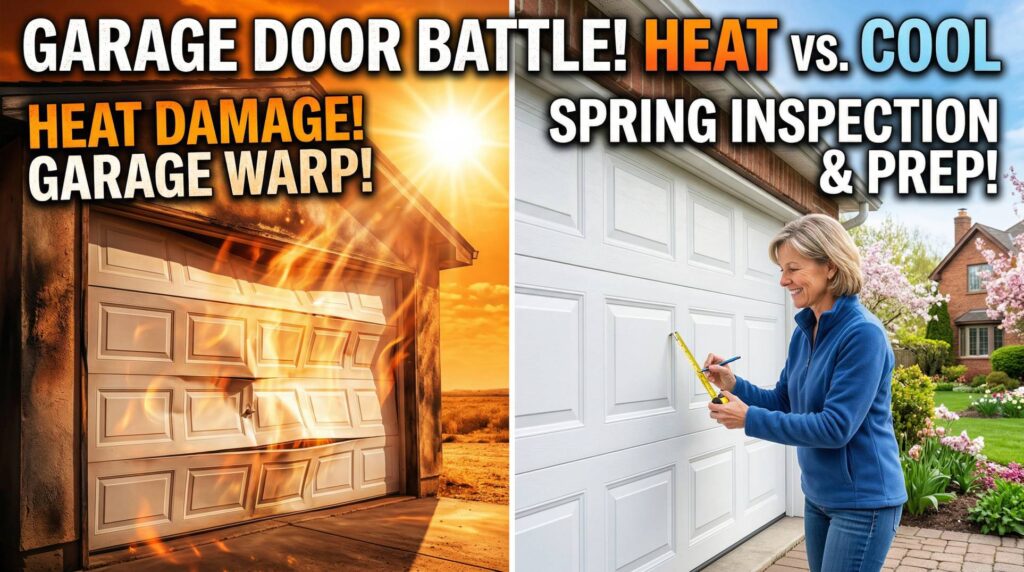
Extreme Phoenix heat causes metal garage door panels to expand rapidly during the day. This thermal expansion warps tracks and misaligns rollers, creating squeaks, jams, and uneven operation that worsen with each cycle.
Wooden doors fare worse, absorbing heat and moisture fluctuations to crack or bow outward. Unprotected wood dries out, splits along seams, and loses structural integrity, while painted finishes bubble, peel, and fade under relentless UV rays—often within a single season.
Rubber weather seals at the door’s base brittle and crack from dry heat, allowing scorching air, dust, and pests to infiltrate your garage. These gaps force your AC to work harder, spiking energy bills by up to 20% in poorly sealed homes.
Springs and cables endure constant tension changes from heat-induced metal stretching. Overloaded springs snap prematurely, sometimes without warning, posing serious safety risks as the door crashes down.
Spotting Early Warning Signs
Look for these red flags before minor wear escalates: Noisy operation signals expanding hinges or dry rollers straining against heat-swollen tracks. Doors that stick halfway or reverse unexpectedly point to warped panels blocking smooth travel.
Visual checks reveal faded colors, peeling paint, or gaps around edges where seals have failed. Inside the garage, surface temperatures can hit 120°F or more, baking internal components like opener motors until they overheat and fail.
Test your door monthly: Open and close it several times, listening for grinding or unusual resistance. Measure panel gaps with a straightedge—if wider than 1/8 inch at the top or sides, heat damage has set in.
Proven Prevention Strategies
Choose Heat-Resistant Materials
Opt for insulated steel doors with polyurethane foam cores offering R-12 to R-15 ratings—they block heat transfer far better than uninsulated models. Aluminum doors resist warping and rust without maintenance, ideal for Phoenix’s low-humidity scorchers, while fiberglass withstands dents and UV without cracking.
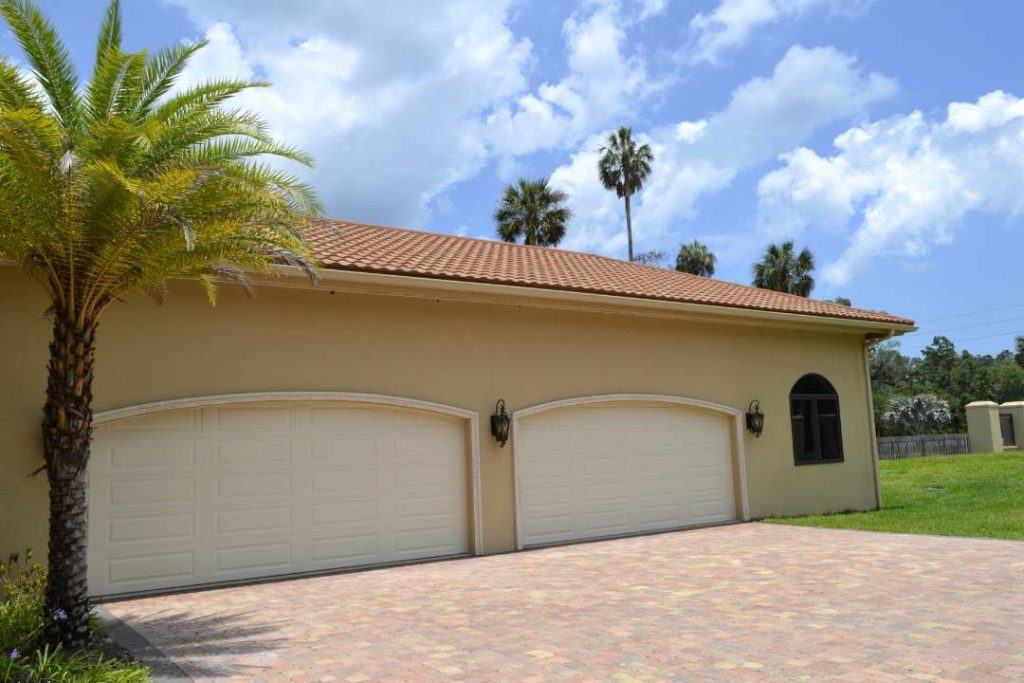
Avoid thin, single-layer steel or untreated wood; these amplify heat issues. Look for cool-toned finishes like beige or gray that reflect sunlight instead of absorbing it.
Add Protective Shade and Barriers
Install retractable awnings or fabric shades over your garage door to cut direct sun by 70%, dropping surface temps dramatically. Mature trees or tall shrubs planted 10-15 feet away provide natural shade without root damage to foundations.
Reflective barriers, like foil-backed panels mounted above the door, bounce heat away. For renters or quick fixes, magnetic vent shades improve airflow while blocking rays.
Master Seasonal Maintenance Routines
Lubricate rollers, hinges, springs, and tracks every three months with lithium-based grease—it penetrates heat-dried metal, reducing friction by 50% and extending part life. Skip WD-40; it evaporates fast in Arizona heat.
Replace weather stripping annually: EPDM rubber holds up best, forming airtight seals that keep hot air out and cool air in. Tighten loose hardware with a socket wrench, checking for heat-loosened bolts.
Ventilate your garage with roof or side vents to dissipate trapped heat—fans alone drop internal temps by 20°F. Park cars outside during peak heat to avoid radiating extra warmth onto the door.
Upgrade Your Opener for Reliability
Heat fries garage door opener capacitors and sensors, causing intermittent failures. Choose belt-drive models with thermal protection—they run quieter and shut down safely before overheating.
Battery backups ensure operation during power outages from summer monsoons. Position sensors in shaded spots or add sun shields to prevent false trips from heat mirages.
Long-Term Investments That Pay Off
Full insulation kits retrofit existing doors, adding R-10 value for under $500 and slashing cooling costs. High-end options like Clopay’s premium steel doors with baked-on polyester finishes resist fading for 10+ years.
Professional tune-ups twice yearly catch issues early—DIY misses subtle misalignments that lead to $1,000+ spring replacements.
Signs of Heat Damage vs. Prevention Checklist
Energy Savings from Smart Protection
Protected doors keep garages 15-25°F cooler, easing your home’s cooling load. Insulated models with high R-values cut energy use by 10-15%, paying for themselves in 3-5 years amid rising utility rates.
In Phoenix, where AC runs 24/7 from May to October, sealed doors prevent hot air leaks that add $50-100 monthly to bills.
When to Call in Experts
If your door shows multiple signs or won’t operate smoothly, skip DIY—misadjusted springs risk injury. Pros diagnose heat-weakened torsion systems safely, often spotting issues invisible to untrained eyes.
Replace doors over 10 years old proactively; modern materials outlast predecessors in extreme climates.
For reliable protection against Phoenix heat, trust High Grade Garage Doors. Our team specializes in heat-resistant installations, maintenance, and repairs tailored to Arizona homes. Call us today at (602) 837-1888 for a free inspection and keep your garage door running strong year-round.