Arizona’s intense sun and scorching temperatures challenge homeowners every summer. Choosing the right garage door can protect your home, lower energy bills, and extend the life of your garage space.
Arizona’s Harsh Climate Demands Tough Doors
Phoenix and surrounding areas often see over 100°F days from May through October, with low humidity amplifying radiant heat. Garage doors facing west or south absorb massive solar energy, turning garages into ovens that strain home cooling systems.
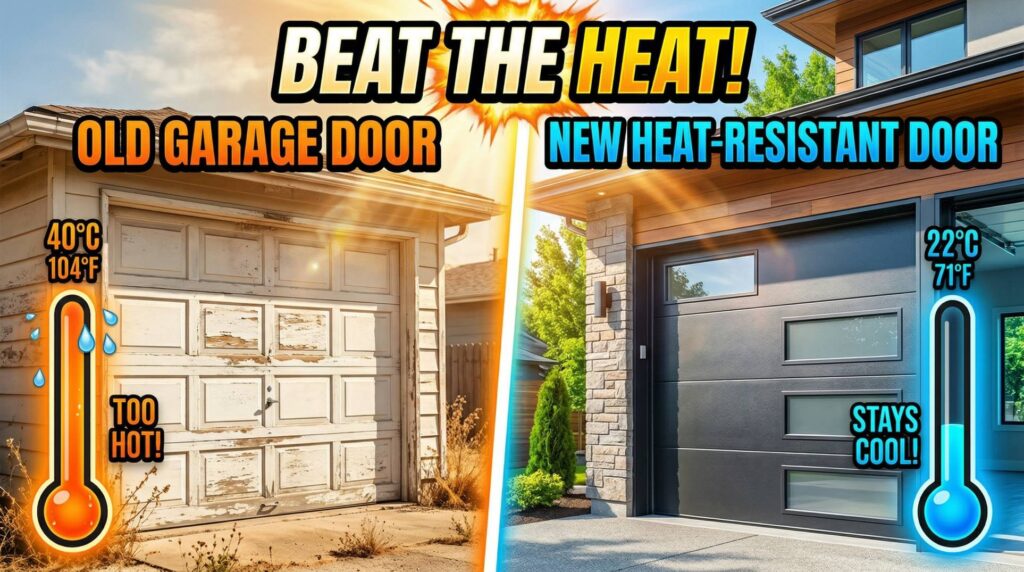
Uninsulated or poorly designed doors let heat seep indoors, spiking AC use by 20-30%. They also warp wood frames, fade finishes, and damage stored vehicles or tools from UV exposure.
Homeowners report garages hitting 130°F internally, making them unusable for workshops or storage until evening. The solution starts with materials built for desert endurance.
Top Materials for Heat Resistance
Steel leads as the most reliable choice for Arizona garages. It resists UV damage, dents from hail, and thermal expansion without cracking.
Double-wall steel with polyurethane foam insulation achieves R-values of 15-20, blocking heat transfer far better than single-layer options. Light colors like white reflect 70-80% of sunlight, keeping surface temps 20-30°F cooler.
Aluminum offers rust-proof lightness, ideal if wind gusts exceed 50 mph during monsoons. It pairs well with foam cores but conducts heat faster than steel unless insulated properly.
Fiberglass withstands dryness without warping, mimicking wood’s look while shrugging off 120°F peaks. It’s low-maintenance but less impact-resistant than steel.
Avoid wood entirely—intense sun dries it out, causing splits and costly repairs within 2-3 years.
Insulation: The Energy-Saving Core
Polyurethane foam insulation outperforms polystyrene in hot climates, filling door cavities completely for R-values up to 19.4. It adds rigidity, quiets operation, and resists settling over time.
Aim for injected foam over basic panels—it expands to seal gaps, cutting heat gain by 40-50%. Thermal breaks in the frame stop conduction through metal edges.
Reflective foil barriers work as a supplement, bouncing radiant heat before it hits the main insulation. Combine them for peak performance in unairconditioned garages.
For Zone 1 deserts like Arizona, target R-15 minimum per building codes and expert guides. This keeps indoor temps below 90°F even on 110°F days.
Key Features That Beat the Heat
Weatherstripping around the entire perimeter blocks hot air infiltration—critical since gaps as small as 1/8 inch let in radiant heat.
Wind-rated construction handles monsoon gusts up to 120 mph, using reinforced tracks and struts. Look for Miami-Dade approvals for true storm resistance.
Smart openers with battery backups ensure access during power outages from dust storms. Solar-powered options thrive in constant sun.
Light finishes and powder-coated paints fend off fading, maintaining curb appeal without repaints every two years.
Common Garage Heat Problems and Fixes
Problem: Skyrocketing cooling bills. Garages act as thermal bridges, forcing AC units to overwork.
Fix: Upgrade to insulated steel with R-18 polyurethane. Expect 15-25% savings on summer electric bills, per energy audits.
Problem: Warped or sticky doors. Heat expands uninsulated panels unevenly.
Fix: Install thermal breaks and balance springs professionally. Lubricate tracks quarterly with lithium grease suited for high temps.
Problem: Faded, peeling paint. UV rays break down finishes fast.
Fix: Choose baked-on polyester coatings over paint. Resurface only every 10+ years.
Problem: Overheating vehicles/tools. Internal garage temps melt tires or warp plastics.
Fix: Add reflective barriers inside plus ventilation fans. Keeps space 20°F cooler.
Problem: Noisy, failing springs. Heat fatigues standard components.
Fix: Opt for oil-tempered torsion springs rated for 10,000+ cycles. Pair with insulated doors to slow wear.
Real Arizona homeowners solve these by swapping old single-layer doors for modern insulated models, regaining usable space year-round.
Installation Essentials for Longevity
Professional installers remove old doors completely, including tracks and springs, to avoid imbalance issues. They calibrate new torsion systems precisely for smooth, quiet lifts.
Leveling panels from the bottom up prevents binding. Integrate openers with safety sensors aligned to current codes—reversing on obstacles every time.
In Arizona, pros add sun shields over headers and seal edges with EPDM rubber for monsoon-proofing. Expect full jobs in 4-6 hours, with disposal handled.
DIY risks improper tension, leading to snapped springs or crashes. Licensed teams carry insurance and warranties up to 20 years on materials.
Maintenance Tips for Arizona Homes
Inspect seals biannually—replace if cracked to maintain efficiency. Hose off dust monthly; avoid pressure washers that strip coatings.
Test auto-reverse monthly by placing a 2×4 under the door. Tighten hardware every six months as heat loosens bolts.
For insulated doors, check foam integrity yearly—no major settling occurs with quality polyurethane. Budget $100-200 annually for pro tune-ups.
Cost vs. Savings Breakdown
Expect $1,500-$4,000 for a 16×7 insulated steel door installed, depending on features. Premium polyurethane models hit $3,000+ but pay back in 3-5 years via energy cuts.
Uninsulated doors cost 30-50% less upfront but drive $200+ extra yearly AC bills. Factor 20-year lifespans for insulated vs. 10 for basic.
Rebates from APS or SRP utilities offset 10-20% for high-R doors—check eligibility during upgrades.
Why Upgrade Now
With 2026 temperatures trending hotter, efficient doors future-proof homes amid rising energy costs. They boost resale value by 5-7%, appealing to buyers in competitive markets.
Transform your garage from a hotbox to a cool haven. Comfortable spaces mean more family time, workshops, or home gyms without constant AC fights.
For tailored advice on heat-resistant garage doors suited to your Arizona home, contact High Grade Garage Doors at (602) 837-1888. Their experts install top-rated, insulated options built for desert extremes, ensuring lasting performance and savings.